Blog · website
Website Builder for HVAC Contractors: What Actually Works
By Nathan Glass · August 12, 2026
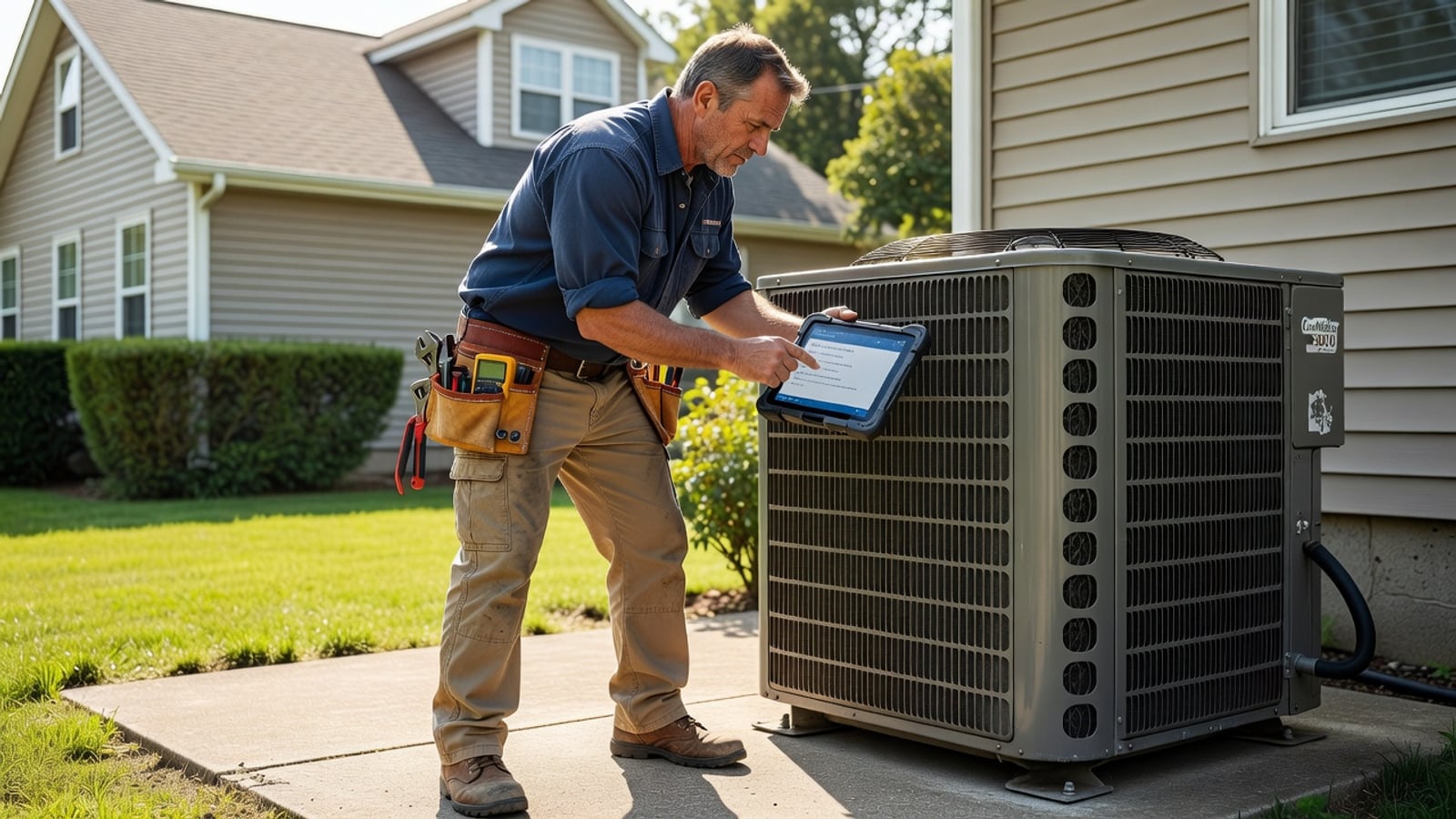
A practical website builder for HVAC contractors focuses on fast lead capture for service calls, clear proof of licensing and certifications, and simple scheduling tools that fit how HVAC businesses actually run.
What Makes a Good Website Builder for HVAC Contractors
HVAC work is local, seasonal, and often urgent. Homeowners search for furnace repair or AC installation when something breaks, so your site must load fast on mobile and show availability right away.
Generic builders force you to add every element yourself. A builder built for service trades starts with the right page structure: service areas, equipment types you handle, and trust signals like licenses and recent jobs.
Essential Pages Every HVAC Site Needs
Start with these core pages instead of a single homepage:
- Service pages for AC repair, furnace maintenance, duct cleaning, and new installations
- Emergency service page with clear phone number and same-day options
- Service area page listing the towns you cover with local references
- Reviews page pulling recent customer feedback
- About page showing your technicians and certifications
These pages give search engines clear signals and give homeowners quick answers when they land on your site.
Lead Generation Features That Matter for Service Calls
Forms should ask for the right details: equipment type, issue description, and preferred time window. Too many fields kill conversions on mobile.
Simple scheduling widgets that connect to your calendar help homeowners book maintenance without calling during busy hours. Instant confirmation emails reduce no-shows.
Many HVAC owners also want a way to collect job photos and notes once the lead converts, so the site ties into daily operations instead of sitting separate.
Local SEO Setup Without Extra Work
Good builders for local service businesses include proper location pages, schema markup for services, and review integration from the start. You should not need to hire a separate SEO person just to appear in map results.
Focus on consistent business name, address, and phone across the site. Add city-specific service pages only when you actually serve those areas regularly.
Avoiding the Pitfalls of Generic Builders
Most DIY platforms produce thin one-page sites that lack the depth needed for local rankings. They also bury contact forms under multiple clicks.
Agency-built sites often look polished but load slowly and hide phone numbers to push form fills. HVAC customers usually want to call when the system is down.
A purpose-built option like Augenix starts with HVAC-specific structure so you avoid rebuilding the basics every time.
Comparing Your Options: Agency, DIY, or Purpose-Built
| Option | Pros | Cons |
|---|---|---|
| Agency | Strong visuals and brand work | High cost, slower updates, often prioritizes design over conversion |
| Generic DIY | Low upfront cost, full control | Easy to create thin sites that rank poorly and lack trust elements |
| Purpose-built for trades | Pre-built pages, local SEO basics, lead tools included | Fewer custom design options than a full agency |
Next Steps for Your HVAC Business Website
List your main services and the towns you serve most often. Gather recent photos of completed work and any current certifications. Then choose a builder that already includes the pages and lead tools HVAC contractors use daily.
Start with a free site build to see the structure before committing time to content and photos.
Frequently asked questions
- Do I need a separate page for every HVAC service?
- Yes. Separate pages for AC repair, furnace work, and installations help both search visibility and clear answers for homeowners.
- How important are reviews on an HVAC website?
- Very important. Recent reviews build trust quickly when homeowners are deciding who to call for urgent repairs.
- Can a website builder handle emergency service requests?
- The better ones include prominent phone numbers and simple forms that flag urgent jobs so you can respond fast.
- Should I use a generic builder or one made for service businesses?
- Generic builders work for basic sites but often miss the pages, trust signals, and lead tools HVAC contractors need.
- How long does it take to launch a basic HVAC site?
- With a purpose-built builder you can have the main structure live in a day or two, then add photos and service details over the following week.
Ready for a professional website?
Get a multi-page site built for local service businesses — free to start.
Build free website